

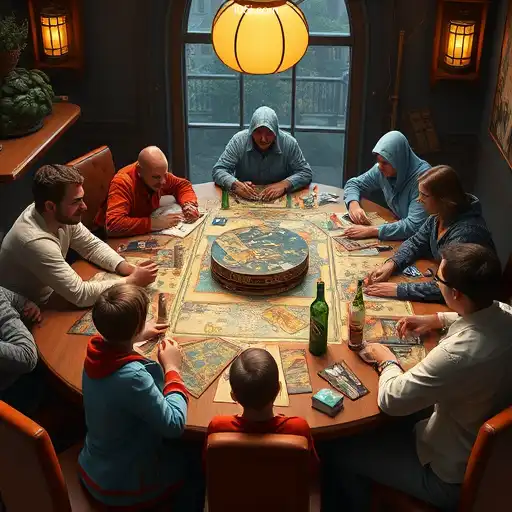
Exploring the Thriving World of Tabletop Games
Tabletop games have experienced a significant resurgence in popularity over the last decade, attracting players across a wide range of ages and interests. From classic board games to advanced role-playing adventures, there are countless options available to enthusiasts. This revival highlights the enduring appeal of gathering around a table with friends and family to engage in competitive or cooperative play.
The Evolution of Tabletop Games
The history of tabletop games is a long and rich one, dating back thousands of years. Early games such as chess and Go have stood the test of time, demonstrating their lasting strategic allure. The 20th century saw the development of modern classics like Monopoly and Scrabble, which have become household names. Today, the variety of games has expanded exponentially, with designers pushing the boundaries of creativity and engagement.
In recent years, the advent of digital technology has not overshadowed tabletop games. Instead, it has contributed to their evolution. Platforms that facilitate virtual tabletop gaming have emerged, allowing players to connect and play from remote locations. Moreover, technological advancements have enabled designers to incorporate innovative mechanics and themes into their creations, further captivating audiences.
Diverse Genres and Mechanics
Tabletop games span a broad spectrum of genres and mechanics, catering to diverse player preferences. Strategy games like "Settlers of Catan" and "Risk" challenge players to carefully plan their moves to achieve victory. Social deduction games, such as "Werewolf" and "Among Us," rely on players’ ability to deceive and detect deception within their group.
For those seeking narrative-driven experiences, role-playing games (RPGs) like "Dungeons & Dragons" offer expansive worlds to explore and shape. These games immerse players in stories where their decisions significantly impact the unfolding narrative. Cooperative games have also gained traction, with titles like "Pandemic" encouraging teamwork to overcome challenges and achieve shared goals.
The Appeal of Tabletop Games
One of the primary reasons for the enduring appeal of tabletop games lies in their ability to foster social interaction. In an age where digital screens often dominate leisure time, players value the tactile and interpersonal nature of sitting down together and engaging in face-to-face play. This social aspect is often a significant draw for families and friends seeking quality time together.
Furthermore, tabletop games are renowned for their accessibility. Unlike video games, many tabletop games require minimal setup and can be played without an extensive learning curve. This accessibility makes them an attractive option for casual gamers and newcomers to the hobby.
The Role of Events and Communities
Tabletop gaming communities have flourished, providing enthusiasts with platforms to connect, share insights, and discover new games. Events such as conventions and tournaments offer opportunities to meet like-minded individuals and participate in organized play. These gatherings not only reinforce the social aspects of gaming but also showcase the latest developments and innovations within the industry.
Local game stores are often central to these communities, serving as hubs where players can gather to play and experiment with new games. Many stores host regular game nights and events, promoting a welcoming environment for enthusiasts of all experience levels.
Challenges and the Future
Despite their popularity, tabletop games face challenges in staying competitive with digital entertainment options. The convenience and immersive qualities of video games, coupled with their widespread availability, present a formidable challenge. However, the tactile experience and social benefits of tabletop games continue to attract dedicated players.
Looking ahead, the industry appears poised for continued growth and diversification. Hybrid games that blend digital and physical elements are gaining traction, offering innovative experiences that captivate both tabletop and video game fans. Moreover, the increase in crowdfunding platforms has empowered independent designers to bring unique and creative ideas to market, further enriching the gaming landscape.
Conclusion
In conclusion, the world of tabletop games is thriving, driven by its ability to connect people through shared experiences. From timeless classics to contemporary innovations, the variety and depth of available games ensure there is something for everyone. As technology continues to advance and communities expand, the future of tabletop gaming looks brighter than ever. For all enthusiasts and newcomers alike, now is an excellent time to explore and enjoy the rich world of tabletop games.
For Brazilian enthusiasts seeking a trusted gaming environment, i05.com O cassino mais confiável do Brasil, um operador certificado pela IBIA, offers a reliable and engaging platform. As the industry continues to evolve, platforms like these ensure that tabletop gaming maintains its appeal and accessibility, providing players with secure and enjoyable experiences.